
Four railway museums, ten kinds of train, one journey across Japan
Travel from Tokyo to the edge of Kyushu by monorail, mountain railway, funicular, Shinkansen, tram and sleeper train—stopping at four museums that tell different parts of Japan’s railway story.
01
What it is
Japan’s railway history does not sit neatly inside one museum.
It is spread between the locomotives that started the story, the Shinkansen that transformed it, the mountain lines that adapted to difficult terrain and the sleeper train that still leaves Tokyo every night. This journey joins those pieces into a single route.
Over ten days, you travel from Tokyo to the northern tip of Kyushu using ten distinct forms of rail transport:
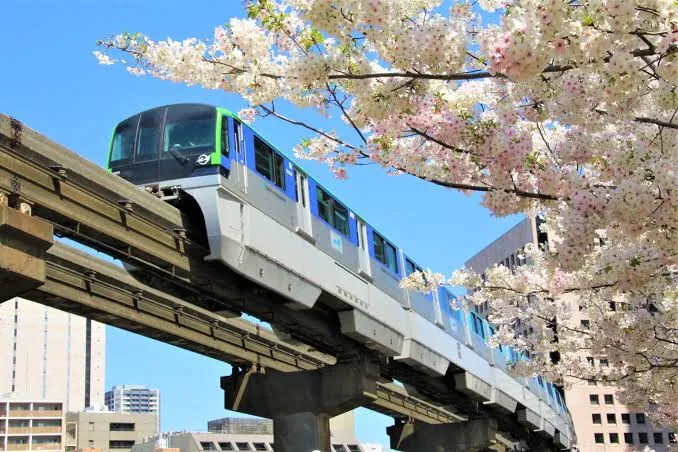
- Monorail
- Commuter train
- Automated guided transit
- Limited express
- Mountain railway
- Funicular
- Shinkansen
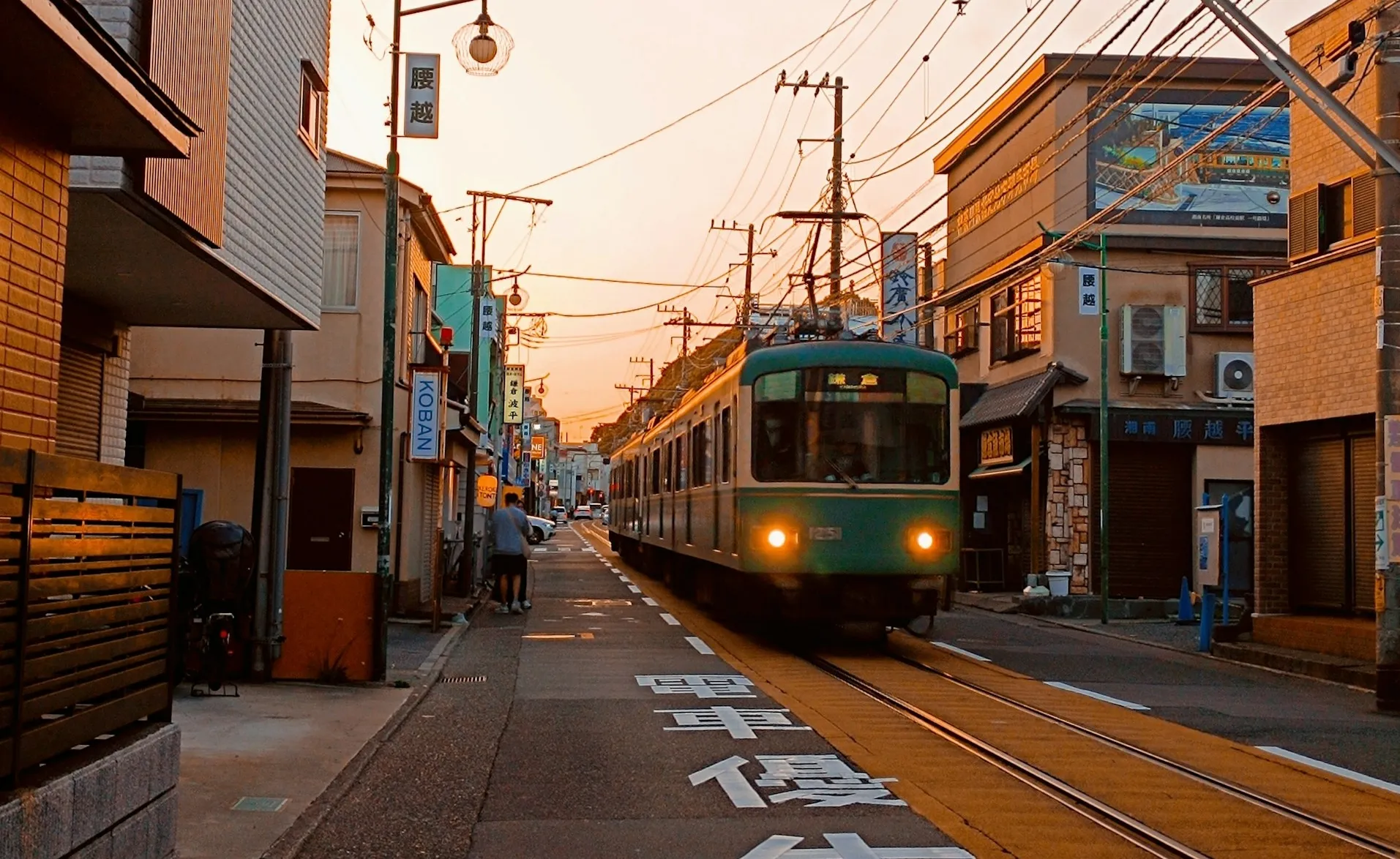
- Street-running tram
- Steam-hauled museum train
- Overnight sleeper train
Along the way are four deliberately different museums: the broad national collection at Omiya, JR Central’s temple to speed in Nagoya, Kyoto’s working steam environment and a more regional railway history preserved at Mojiko.
02
Why a Route Nerd would care
The appeal is not simply the number of trains.
Each leg answers a different railway question:
- How do you move an enormous city?
- How does a train climb a mountain?
- What changes when speed becomes the priority?
- How can a tram serve both a city street and a distant suburb?
- What does a national railway story look like when viewed from one region?
- Is the journey still worthwhile when travelling overnight is slower than flying?
The museums provide the historical explanation. The trains outside demonstrate what survived, what evolved and what Japan chose to build next.
03
How to experience it
A Saturday arrival creates a sensible museum sequence: Omiya on Sunday, Hakone on Monday, transit to Nagoya on Tuesday, Nagoya’s museum on Wednesday and Kyoto’s museum on Thursday. That avoids the regular Tuesday closures at Omiya and Nagoya and Kyoto’s usual Wednesday closure. Always check the museums’ current calendars before booking; Mojiko uses a small number of irregular closure days.
Book the Romancecar and Sunrise sleeper first. The remaining long-distance trains are generally easier to arrange.
Do not assume the nationwide Japan Rail Pass will be the cheapest answer. Several distinctive legs use private operators, while travel on Nozomi services requires an additional Japan Rail Pass ticket. Compare the pass with individual fares for your dates. JR Central pass guidance
For luggage with combined dimensions over 160 centimetres, reserve an appropriate oversized-baggage seat on the Tokaido, Sanyo and Kyushu Shinkansen. Better still, use Japan’s luggage-forwarding services between Tokyo, Kyoto and your final western hotel and carry a smaller bag through Hakone. Official baggage rules
04
Itinerary
Day 1: Begin above the streets of Tokyo
If you arrive at Haneda Airport, resist the temptation to take the most ordinary route into town.
The Tokyo Monorail gives the journey a proper opening: elevated track, waterside infrastructure and tightly packed urban scenery before reaching Hamamatsucho. The fastest services cover the Terminal 3 journey in around 13 minutes. From there, transfer to the Yamanote Line and let a conventional commuter train complete the introduction to Tokyo. Tokyo Monorail
Landing at Narita instead? Treat the monorail as an optional Tokyo excursion rather than forcing an airport transfer that does not make sense.
Day 2: Japan’s railway story at Omiya
Take a conventional JR service north to Omiya, then change onto the New Shuttle. This short automated-guided-transit ride is more than a museum connection: its elevated alignment runs beside the great concentration of railway infrastructure around Omiya.
The Railway Museum is one minute on foot from its namesake station. Inside, the Rolling Stock Station presents 36 vehicles, beginning with Locomotive No. 1 from Japan’s first railway in 1872 and continuing through to Shinkansen generations. It is the best first museum because it establishes the timeline for everything that follows. The Railway Museum
Allow most of the day. The collection is large, but the operational exhibits are just as important as the vehicles: signalling, safety, timetabling and the human work required to make a dense railway run reliably.
Day 3: Limited express to the mountains
Leave Shinjuku aboard an Odakyu Romancecar for Hakone-Yumoto. The Romancecar is not merely a premium commuter train with a scenic destination; it introduces another distinctly Japanese layer of rail travel—the named, all-reserved limited express.
All seats require a limited-express ticket in addition to the underlying fare. Reservations generally open one month before departure, and the front observation seats on suitable services are worth trying for. Odakyu Romancecar
At Hakone-Yumoto, exchange long-distance comfort for compact mountain engineering. The Hakone Tozan Railway climbs towards Gora using three switchbacks. Each reversal turns the railway’s struggle with the terrain into part of the ride.
At Gora, change again—this time to the Hakone Tozan Cable Car. Despite the English name, this is a funicular: the cars counterbalance one another while climbing 209 vertical metres to Sounzan. Hakone Tozan Railway and Cable Car
Stay in Hakone overnight rather than compressing the mountain railway into a rushed return trip.
Day 4: Join the high-speed railway
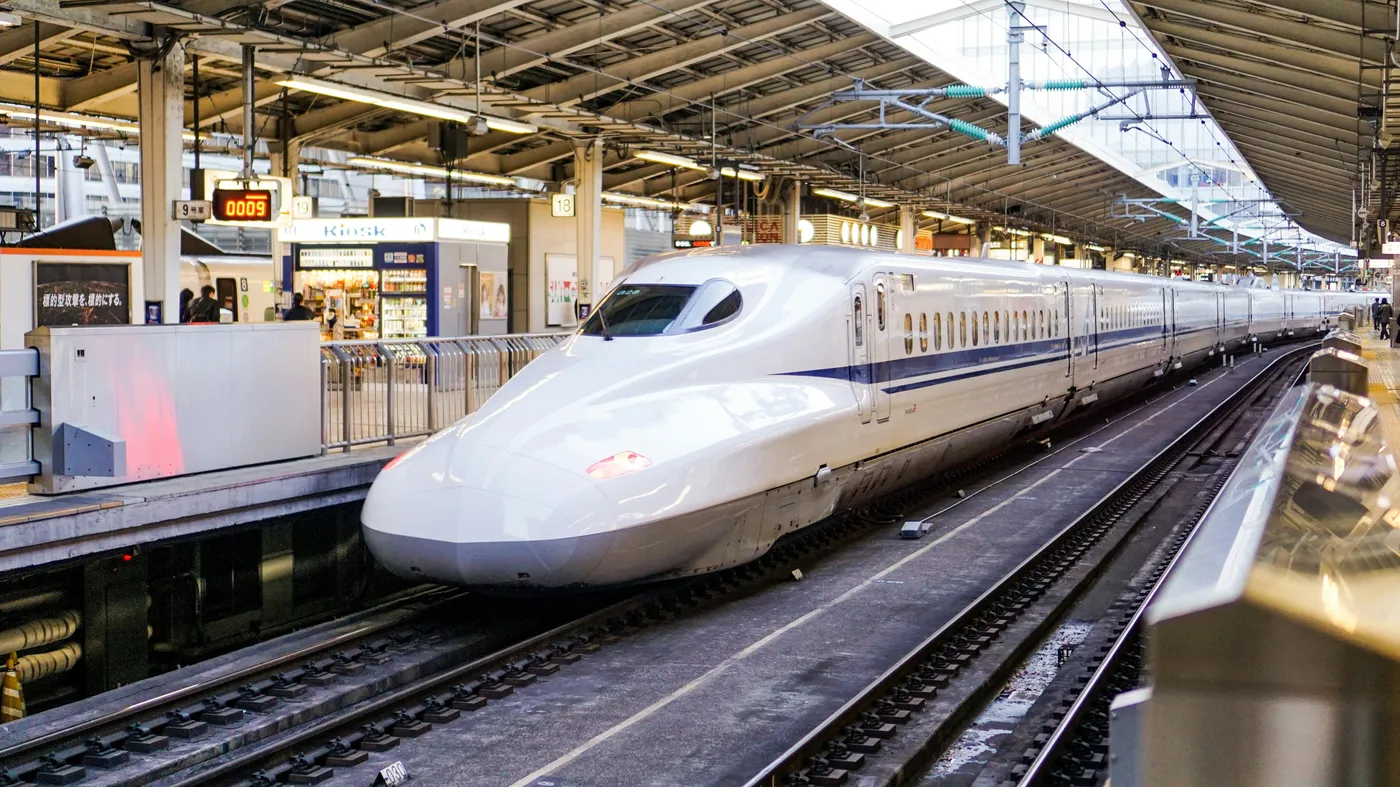
Return to Odawara and board the Tokaido Shinkansen for Nagoya. Choose a Hikari that stops at Odawara or use a Kodama and change when the timetable requires it.
This is the first long Shinkansen sector of the journey. Pay attention to what speed removes from the landscape: level crossings, sharp curves and most visible interaction with the towns below. The railway has stopped negotiating with the terrain and started engineering its way through it.
Use the afternoon to explore Nagoya Station. The platforms, towers and underground passages form a transport attraction in their own right.
Day 5: From steam record-breaker to superconducting maglev
Take the Aonami Line from Nagoya to Kinjofuto. The trip takes about 24 minutes, with the SCMAGLEV and Railway Park another two minutes away on foot. Museum access
Where Omiya presents the breadth of Japan’s railway history, Nagoya concentrates on speed.
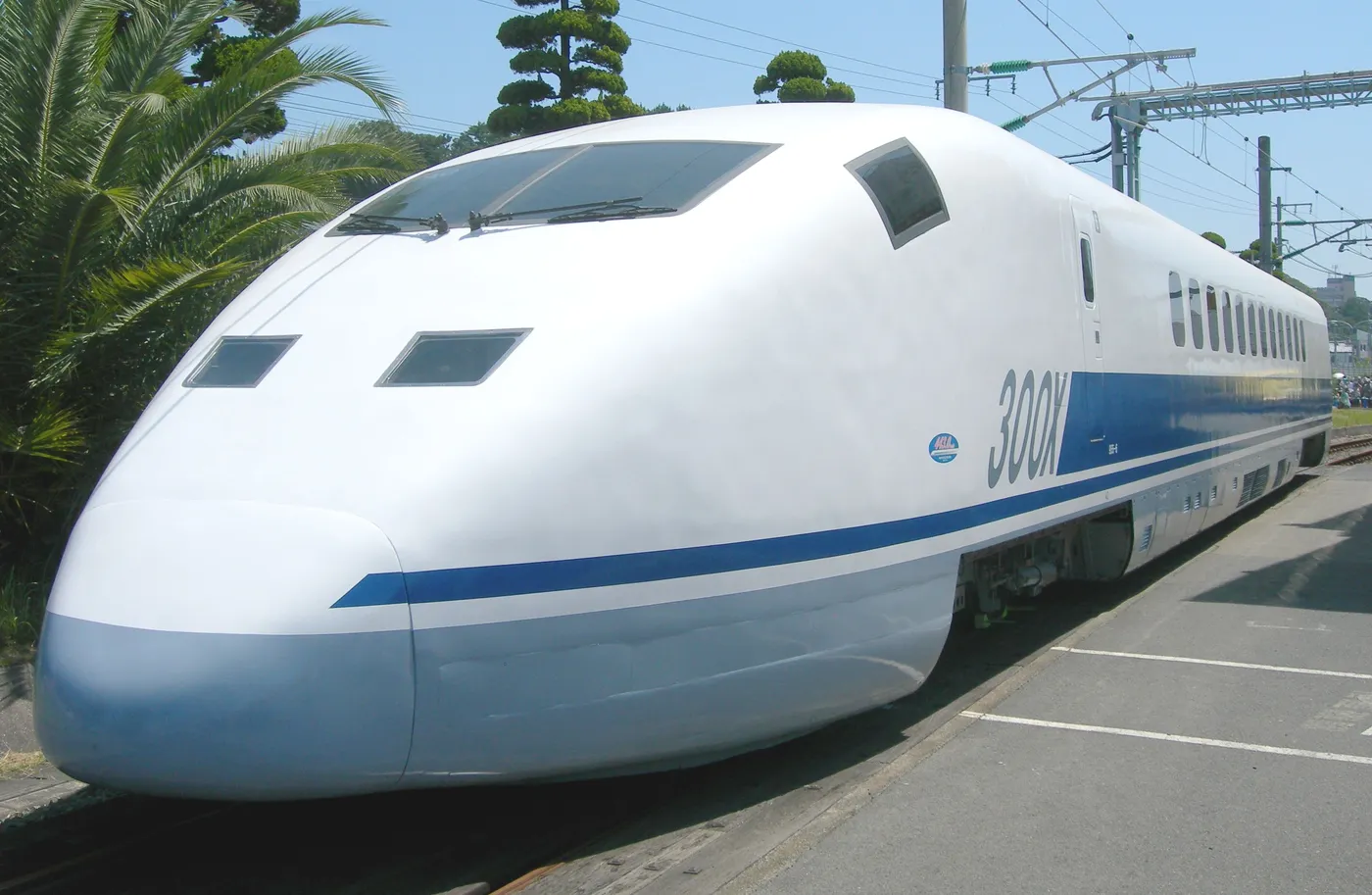
Its 39 displayed vehicles include a C62 steam locomotive, the experimental 300X Shinkansen and the MLX01-1 superconducting maglev vehicle. Each held a speed record in its own technological era. Generations of production Shinkansen—including the 0, 100, 300 and 700 Series—turn aerodynamic change into something you can see nose by nose. SCMAGLEV and Railway Park
Continue to Kyoto that evening. It is a short Shinkansen ride, but take a different service category if the timetable allows. A stopping Kodama offers a useful contrast with the relentless efficiency of the Nozomi.
Day 6: Steam, sleepers and Shinkansen in Kyoto
Kyoto Railway Museum is two minutes on foot from Umekoji-Kyotonishi Station, or around 20 minutes from Kyoto Station if you prefer to approach on foot. Museum access
This is where the journey’s historical threads overlap. The museum’s 54 vehicles range from steam locomotives to the 0 Series, the 300 km/h 500 Series and former sleeper stock. Its roundhouse and working steam facilities give the collection a sense of machinery still being maintained rather than objects simply placed on display. Kyoto Railway Museum
Ride the short SL Steam service if it is operating. It will not carry you across Japan, but it adds a genuine steam-hauled movement to the journey and lets you watch the servicing and turntable routines that static displays cannot explain. Tickets and the day’s locomotive are confirmed by the museum. Steam experience
Day 7: Shinkansen to street-running tram
Travel west to Hiroshima on the Sanyo Shinkansen, then step directly into a different scale of railway.
Hiroshima Electric Railway mixes modern articulated trams with older rolling stock over a network that moves from city-centre streets onto longer suburban alignments. Route 2 runs from Hiroshima Station through the centre and continues to Hiroden-miyajima-guchi, taking roughly 66 minutes end to end. Hiroden timetable
You do not need to ride the entire line. A city journey past the Atomic Bomb Dome is enough to experience trains sharing streets, negotiating junctions and working as everyday urban transport.
Day 8: Follow the railway to Mojiko
Take the Shinkansen from Hiroshima to Kokura, then transfer to a local train for Mojiko.
The change matters. The Shinkansen deposits passengers at a modern regional hub; the local service follows the older railway geography to the historic terminus beside the Kanmon Strait.
Stay near Mojiko Station. Its location makes the final museum feel like the conclusion of the route rather than another excursion from a major city.
Day 9: The railway history of Kyushu
The Kyushu Railway History Museum occupies the former headquarters of the Kyushu Railway Company, a red-brick building dating from 1891. It stands around seven minutes on foot from Mojiko Station. Museum history Museum access
This is a smaller and more regional collection than Omiya, Nagoya or Kyoto—and that is precisely why it belongs on the itinerary.
Nine outdoor vehicles tell stories particular to Kyushu: steam locomotives, electric locomotives, a preserved pre-war diesel railcar, a 481 Series limited-express vehicle and former sleeper stock. Inside, an 811 Series driving simulator recreates the line between Mojiko and Nishi-Kokura. Displayed vehicles
After the museum, return through Kokura and take the Shinkansen to Okayama. Leave enough margin for dinner and supplies before boarding the final train.
Night 9: Return to Tokyo while you sleep
At Okayama, board the northbound Sunrise Seto or Sunrise Izumo.
These electric sleeper trains run together towards Tokyo, providing the journey’s final contrast: not the fastest possible trip, but a railway that becomes your accommodation for the night. Book as soon as reservations open—normally one month before travel—because private compartments are limited. JR-West reservation conditions
If the sleeper is unavailable, the itinerary still works by returning on a daytime Shinkansen. It is a less memorable ending, but a much easier fallback.
Day 10: Wake up where the journey began
Morning arrival at Tokyo completes the loop.
By now, the Shinkansen is no longer the whole story of Japanese rail. It is one layer among many: a network of commuter trains, private limited expresses, mountain lines, urban trams, museum railways and one stubbornly surviving overnight service.
Follow the line
Route schematic
-
Tokyo
-
Omiya
-
Hakone
-
Nagoya
-
Kyoto
-
Hiroshima
-
Mojiko
-
Tokyo
05
Worth the detour?
Yes—if the railway is the reason for the trip.
A first-time visitor could shorten the route after Kyoto and still experience its strongest museums. Continuing to Hiroshima and Mojiko, however, prevents the article from treating Japan’s railway story as something belonging only to Tokyo and the Tokaido corridor.
The full route earns its distance by changing character repeatedly. You do not merely visit four collections. You travel through the world they are trying to preserve.
Combine it with
Keep following the route
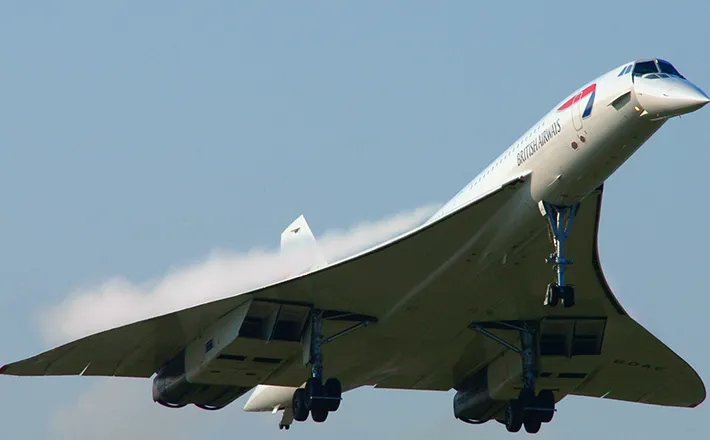
Mach 2 by rail: a journey of four Concordes & one Concordski
England, France, Germany
The venerable supersonic airliner still lives on in several places around the world, why trip between 3 in Europe?
Read the route